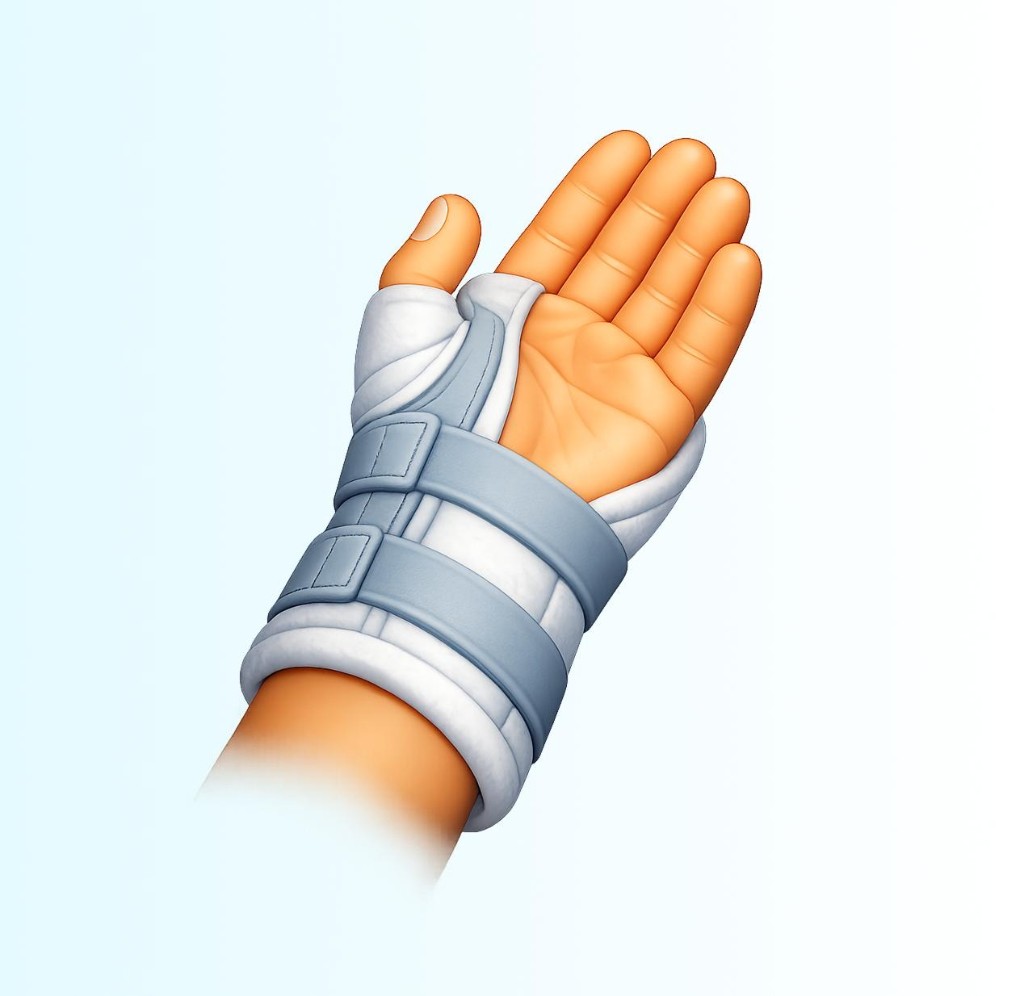
Do this exercise
2 sets × 10 reps · hold 3s each. Watch the demo and tap through at your own pace — we log your reps, holds, and how it felt.
Prefer the classic step-by-step timer?
Hold a soft ball or rolled sock in the palm.
Ready when you are
We'll guide you through 5 short steps — about 27 seconds of guided motion. Pause or stop anytime — nothing is uploaded.
Have ready: Soft ball, sock, or therapy putty
Contraindications & stop if…
When not to do this
- Acute injury without clearance
- Recent tendon or ligament repair
- Active flare-up of arthritis
Stop if
- Joint pain (not muscle effort)
- Next-day stiffness that limits function
- New numbness
Prefer a quick pacing gate before the timer? Use full guided session — it asks for pain, stiffness, and fatigue in a few taps first (education only, not clearance).
Why it helps
Grip strength supports independence — opening jars, carrying bags, and using tools. Build slowly to avoid setbacks.
What it should feel like
Mild muscular effort. No joint pain.
Target area
Hand, forearm
Stop if you notice
- Joint pain (not muscle effort)
- Next-day stiffness that limits function
- New numbness
Get clearance first if
- Acute injury without clearance
- Recent tendon or ligament repair
- Active flare-up of arthritis
Instructions, dose & tipsSetup, how many to do, and common mistakes
How to do it well
Goal, setup, dose, and the things therapists most often have to repeat. This is education — not a replacement for your clinician's plan.
Before you start
- Only start if your therapist has cleared strengthening.
- Use a soft object — never a hard ball.
- Skip if you had a flare in the last 48 hours.
Today's dose
- Reps
- 10
- Sets
- 2
- Hold
- 3s
- Sessions / day
- 1
- Rest
- 60s
- Pain ceiling
- 3/10
Common mistakes
- Squeezing as hard as possible — aim for ~50% effort
- Skipping the rest between sets
- Doing it daily; muscles need recovery between sessions
Easier version
- Use a softer object (rolled sock instead of putty)
- Reduce reps to 5 and remove the hold
Harder version
Only if your phase allows progression.
- Increase hold to 5 seconds
- Add a third set with a longer rest
- Step up to firmer therapy putty when stable for 2 weeks
How did this feel?
One tap. Saved as a question for your next visit when relevant — never auto-shared.