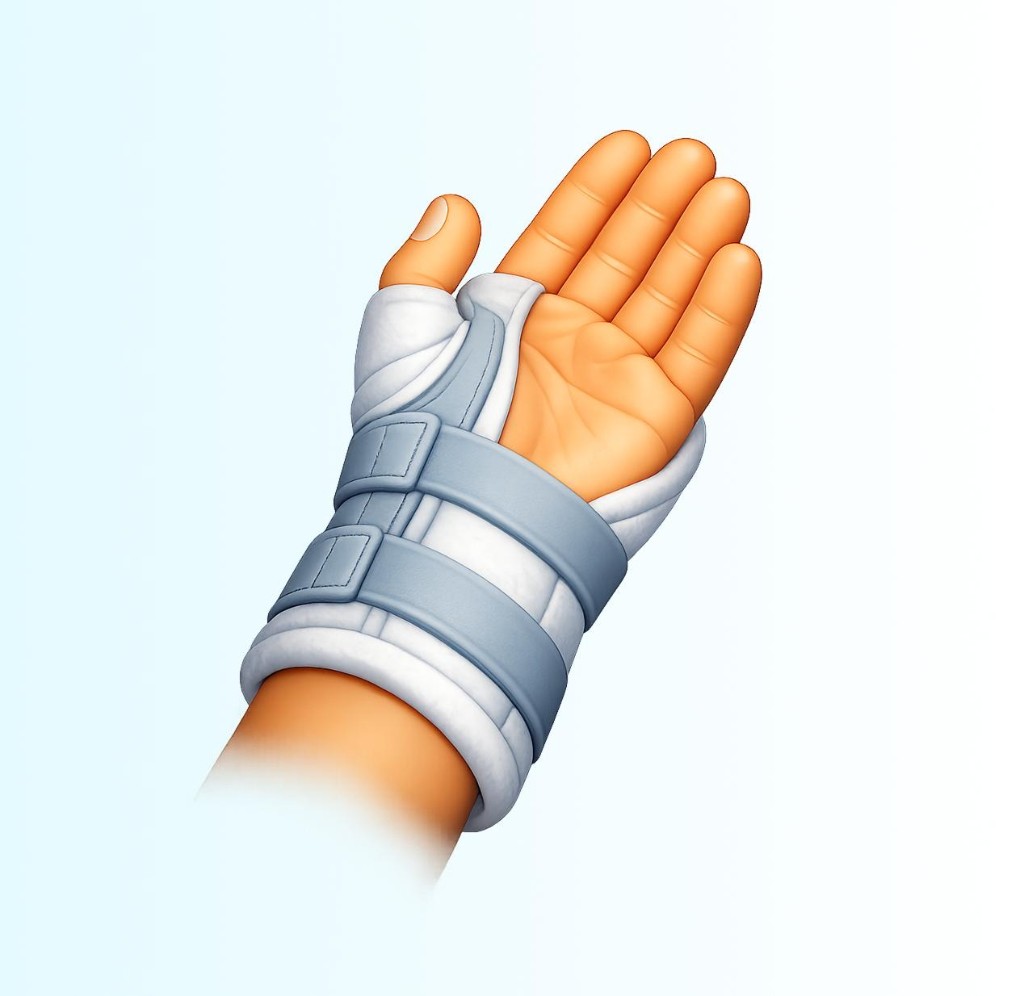
Common hand surgeries: a cautious, patient-friendly map
How to use education without confusing it for a personal surgical plan
Surgery & recovery··8 min read·By HandTherapy·Education only; not individualized medical advice.
Legal notices for this article (informational)
Journal articles summarize topics with cited sources for education. Citations are for context, not an endorsement by those organizations. This is not individualized medical or legal advice.
People search for hand surgery information when symptoms disrupt sleep, work, or caregiving. That urgency is understandable — and it is also why reputable sources emphasize diagnosis, timing, and rehabilitation plans that fit you.
What counts as “common” depends on your community and risk factors
National health summaries often highlight carpal tunnel syndrome as a frequent reason people seek care for wrist and hand nerve symptoms. The NIAMS overview explains typical symptoms and emphasizes clinician evaluation rather than self-diagnosis.
Trigger finger symptoms — catching, locking, or pain at the base of a digit — are another common reason people consider procedures after conservative care. AAOS OrthoInfo summarizes the condition in plain language and stresses professional evaluation.
Recovery themes many surgeries share
- Early phases often prioritize wound protection, swelling control, and only the motion your team clears.
- Later phases gradually reintroduce grip, pinch, and daily tasks — sometimes with a hand therapist measuring progress and adjusting loads.
- Red flags such as fever, rapidly spreading redness, severe uncontrolled pain, or new neurologic deficits deserve urgent medical attention.
HandTherapy.app also maintains a structured library of common hand surgeries for side-by-side reading. Pair that with condition pages (for example carpal tunnel syndrome) when you want symptom context and splint ideas your clinician may discuss.
If you are comparing systems or travel logistics, the education-only Countries hub (hand therapy planning) includes cited snapshots such as the United States, Thailand, and Singapore country profiles — not legal or reimbursement advice. For urgent-number education by jurisdiction, see Emergency help.
Related collections
Explore on HandTherapy.app
These in-app guides pair with this article. They are educational, not a personalized plan.
Evidence & product framing
Journal articles cite external literature for education — see how HandTherapy.app uses research as a transparency layer, not proof of clinical validation.
Related articles
- Hand surgery abroad: planning questions (education, not clinic advice)
Why people compare options across borders, what to document before you go, and how to think about therapy after you return — with links to our planning hub.
- Flying after hand surgery: swelling, clearance, and luggage (education)
Why elevation and swelling matter for long trips, what to ask your surgeon about timing and cabin logistics, and how the travel hub fits alongside recovery education.
- Surgery recovery milestones vs. vacation time off: why the timelines differ
Paid time off, flight logistics, and swelling control are not interchangeable with surgeon clearance. Use education pages to align expectations with your team.
- Aging and hand health: risks, resilience, and realistic expectations
Hand function changes with age in ways that overlap with arthritis, tendon irritation, and neurologic conditions — nuance matters.
Sources & further reading
- Carpal tunnel syndrome — NIAMS (NIH)(accessed 2026-04-22)
- Trigger Finger — AAOS OrthoInfo(accessed 2026-04-22)
- Hand surgery — American Society for Surgery of the Hand(accessed 2026-04-22)
Was this article helpful?
Your choice is saved only in this browser. We may record an anonymous helpful / not-helpful tally — not your article text.