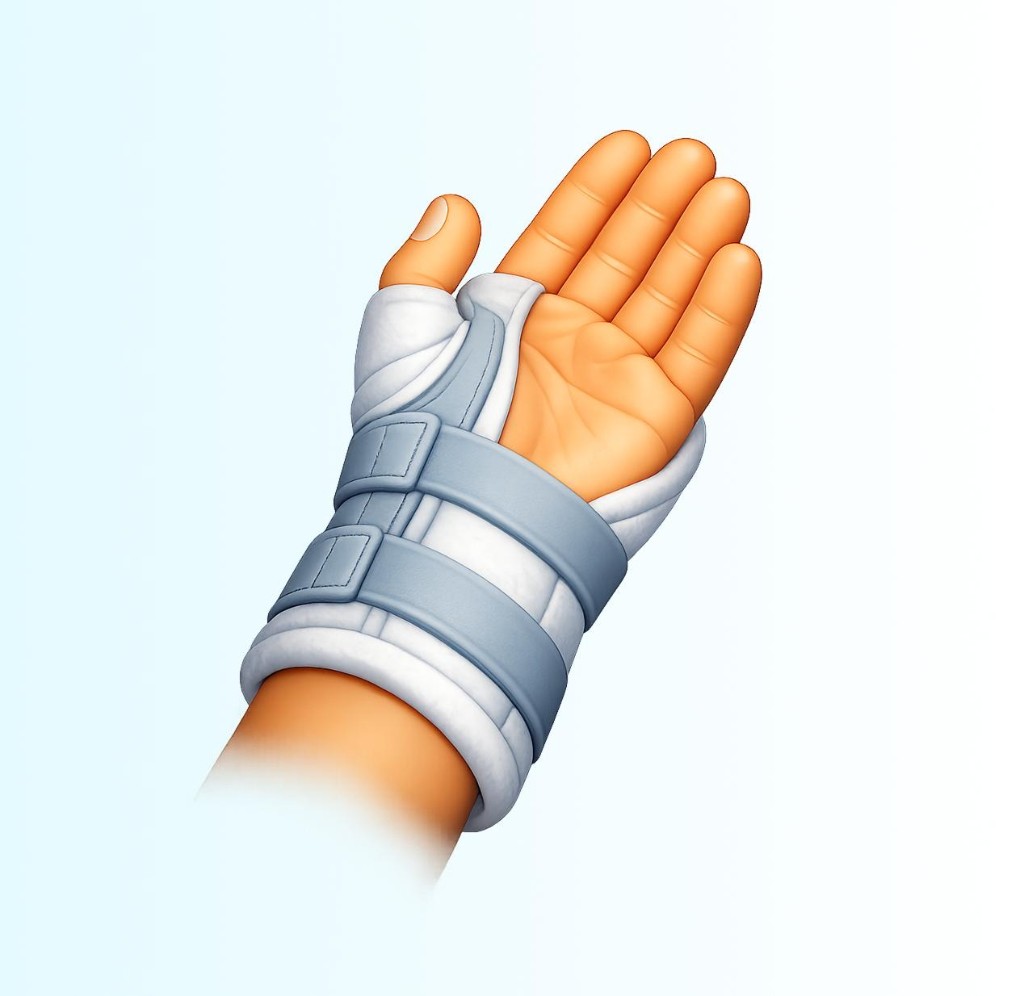
Do this exercise
1 set × 4 reps. Watch the demo and tap through at your own pace — we log your reps, holds, and how it felt.
Prefer the classic step-by-step timer?
Start with the softest texture — cotton or silk — over the scar.
Ready when you are
We'll guide you through 4 short steps — about 35 seconds of guided motion. Pause or stop anytime — nothing is uploaded.
Have ready: Cloth or texture swatches
Contraindications & stop if…
When not to do this
- Open or unhealed wounds
- Suspected infection
- Within surgeon-defined wound-care window
Stop if
- Sharp pain
- Bleeding or open skin
- Signs of infection
Prefer a quick pacing gate before the timer? Use full guided session — it asks for pain, stiffness, and fatigue in a few taps first (education only, not clearance).
Why it helps
Gradual touch helps the brain remap sensitivity around scars so daily contact feels normal again.
What it should feel like
Tickly, odd, or slightly uncomfortable — not painful.
Target area
Scar tissue
Stop if you notice
- Sharp pain
- Bleeding or open skin
- Signs of infection
Get clearance first if
- Open or unhealed wounds
- Suspected infection
- Within surgeon-defined wound-care window
Instructions, dose & tipsSetup, how many to do, and common mistakes
How to do it well
Goal, setup, dose, and the things therapists most often have to repeat. This is education — not a replacement for your clinician's plan.
Before you start
- Wound must be fully closed and not draining.
- Have several textures ready — cotton, silk, terry cloth.
- Stop if any sharp pain or skin breakdown.
Today's dose
- Reps
- 4
- Sets
- 1
- Sessions / day
- 3
- Rest
- 0s
- Pain ceiling
- 2/10
Common mistakes
- Jumping to firm textures too soon
- Pressing hard instead of gliding
- Skipping days — frequency matters more than intensity
Easier version
- Stay on the softest texture for the whole session
- Reduce to 2 sessions per day
Harder version
Only if your phase allows progression.
- Progress to a firmer texture (e.g. terry cloth)
- Add tapping or vibration only if comfortable
How did this feel?
One tap. Saved as a question for your next visit when relevant — never auto-shared.